The rapid expansion of mankind into space has resulted in the creation of a prominent issue: space debris, colloquially referred to as space “junk”. Space debris is, in essence, the remnants of discarded rocket stages, decommissioned satellites and fragments of broken and failed ventures. Due to the nature of space and Low Earth Orbit (LEO) these husks remain floating around the earth, creating a scattered minefield of debris. As they maintain their velocity of 28,800 km/h, this debris, ranging from miniscule to massive creates a veritable minefield in LEO, with the smallest of fragments releasing energy equivalent to a hand grenade upon collision. What’s more is that after a structure is destroyed, its fragments can either continue to orbit and collide with more things, or fall into the atmosphere after loss of momentum, and burn up on reentry. Depending on what it was, gases will be released into the atmosphere that cause immense pollution. For example, a Falcon 9 rocket from Space X recently burned over western Europe due to a propellant leak. According to the BBC, scientists were able to connect this rocket fire to a sharp increase in lithium pollution levels in Poland, the primary crash site of the debris that survived reentry.

With Space X promising a million satellites in upcoming years, the threat to communities around the world can clearly be seen. Adding to that point, due to the increased privatization of the space sector, an increased amount of LEO will be occupied with satellites from companies such as Space X and Blue Origin. Therefore, the network of satellites that maintain our global connectivity and society is at immense risk with simple chain reactions having the potential to wipe out thousands of satellites or crash hundreds of rockets into the earth. This is referred to as Kessler syndrome. Another risk of accumulating space debris is the eventual complete closure of interplanetary travel for mankind. If left unchecked, we run the risk of creating a shield that destroys all rockets that attempt to leave orbit, similar to a planetary asteroid belt, but impossibly difficult to circumvent or traverse. Currently, space agencies around the world are developing solutions to prevent these eventualities, however progress is limited as there is over 6000 tons of material present in LEO to remove, and each removal is extremely expensive.
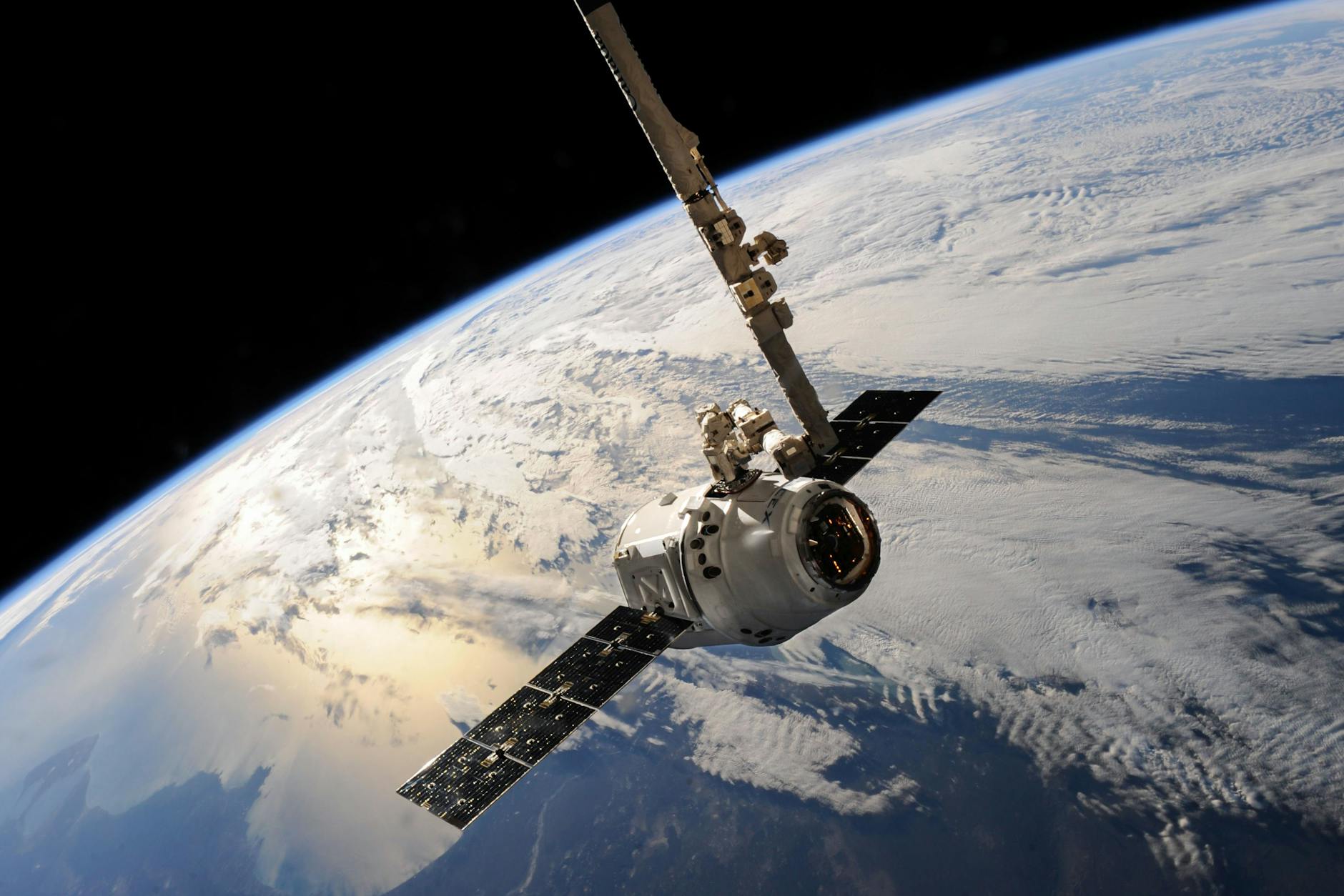
With a lack of binding international laws that require the mitigation of space junk, there is little motivation for these agencies to invest their resources at the necessary scale. Additionally, with the scale and shared responsibility of the issue, and the legal issues with removing junk from a foreign country, transnational cooperation is required for real impact to be made in the resolution of the problem. That being said, with only about 55000 of the estimated 170 million pieces of debris being trackable, NASA has been able to use software to track approximately 27000 large pieces of debris. With this data, they can instruct satellites and spacecraft such as the ISS to maneuver in manners that prevent collisions. In terms of mitigating the amount of debris, some industries have developed technology like space tugs and space lasers.
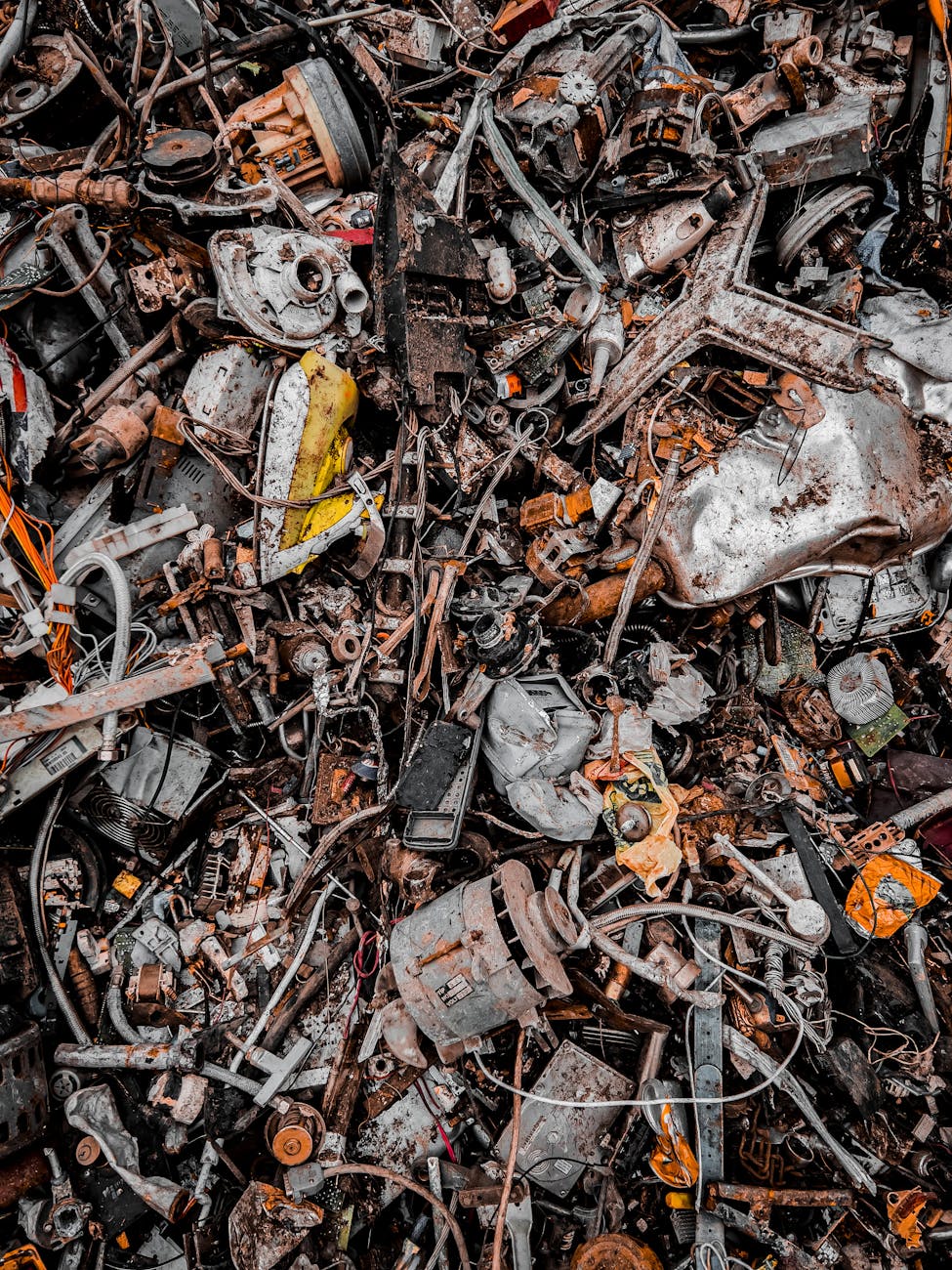
Further more, other countries such as India have acknowledged this threat. Specifically, in India space debris maintains its threatening implications, as the ISRO, the Indian space program, is increasingly becoming a major player in the field of space. Consequently, the amount of space debris produced by India is on the rise. For context, this is due to the fact that in 2019, Indian space debris had increased by approximately 50% (117 pieces in 2018 to 163 in 2019). Yet India is an active force in the mitigation of space debris, as we were able to reduce our space debris from 163 back down to 114 objects classified as space junk. According to NDTV, this was mostly accomplished through active debris removal, a method where specialized spacecraft deorbit retired satellites or defunct parts floating around in orbit. India has also established a centre in Bengaluru to coordinate all space debris related actions within ISRO, to better protect itself. Finally, India has declared that it aims to have zero debris missions by 2030, using technologies such as vanishing satellites and self-eating rockets.
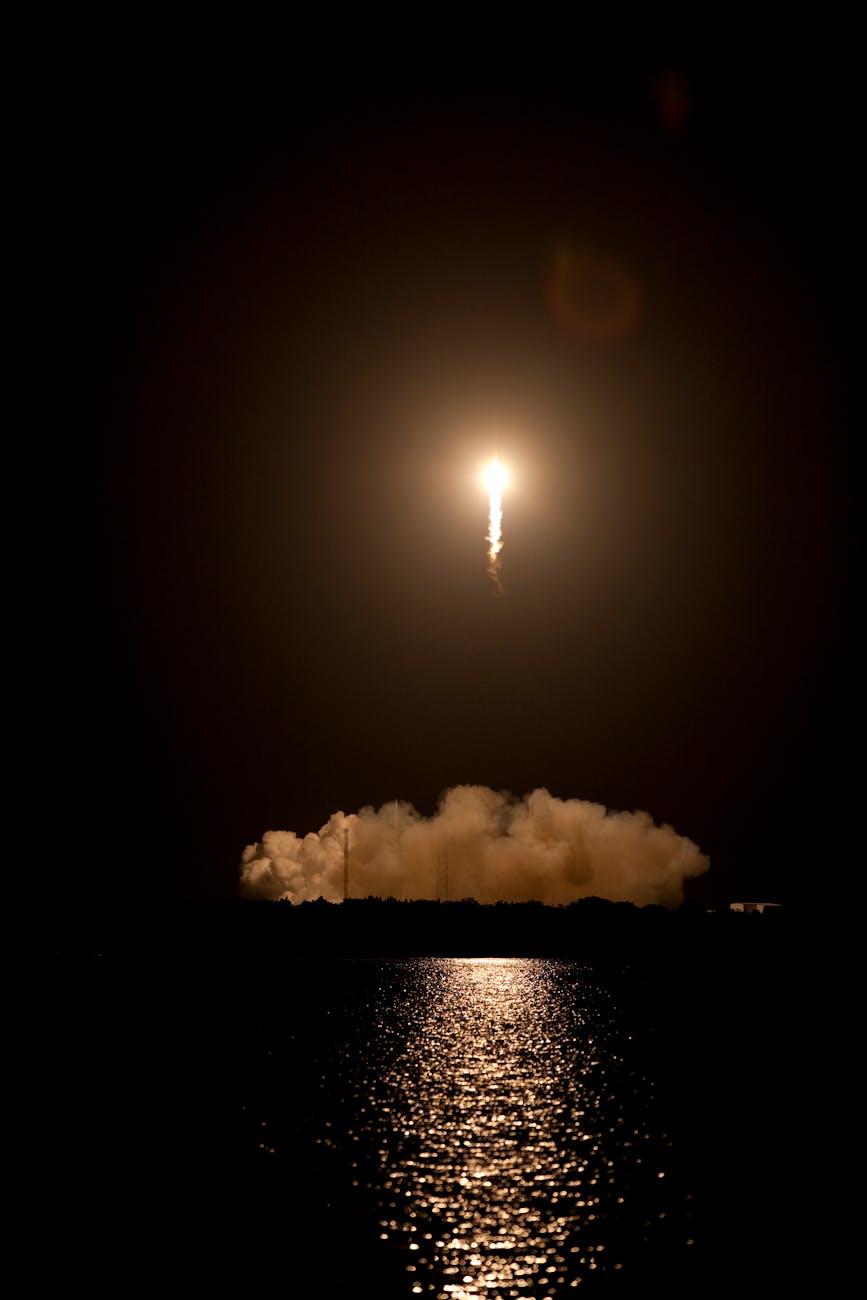
After exploring the global context and then a case study, I was able to concoct 3 solutions to this issue, although bear in mind that all of these are purely theoretical. With that said, my ideas are to:
- Create a framework for cooperation between countries on space traffic management.
- Encourage shared collision avoidance through comparative warnings and tracking of debris
- Establish determined 24/7 monitoring agents from all agencies who communicate on a regular basis to ensure technological modernity

- Provide stricter enforcement and regulation for private industry.
- Implement clear limitations on the maximum number of launches per year from the private sector, to limit excessive trial and error launches that cause heavy atmospheric pollution or increase the debris count
- Create a committee to oversee all space craft from the private sector, to ensure safety
- Mandate each rocket/satellite launched, provide constant geographical positioning

- Create UN guidelines to force action from all parties involved.
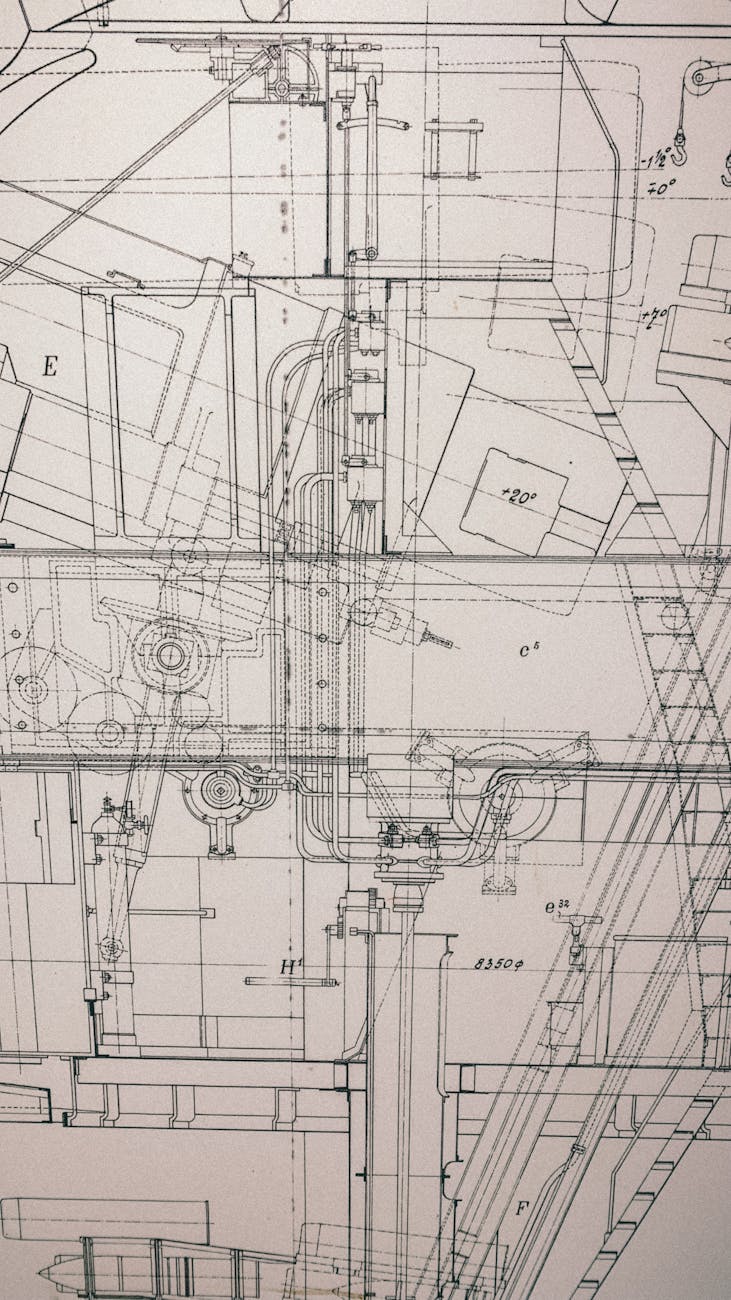
- Require rocket and satellite designs to be created to avoid fragmentation, and have delegates from many countries’s space agencies verify blueprints.
- Ensure each mission has an end-of-life plan that can easily be implemented to prevent atmospheric pollution(through lithium spread on reentry) and Kessler syndrome(I.E, controlled reentry or satellite graveyard)
 Avatar Dragons
Leave a comment