Hello everyone! Today, I’d like to talk about one of the most remarkable ecosystems in India—the Silent Valley—and highlight its significance in the context of climate change and broader ecological conservation.

Silent Valley is a pristine stretch of tropical rainforest located in the Western Ghats, Kerala, India. It covers approximately 89 square kilometers and is one of the last untouched pockets of tropical rainforest in the country. Its name, “Silent Valley,” reflects the eerie stillness of the forest—where the usual hum of insects is almost absent, a testament to its delicate and rare ecological balance.
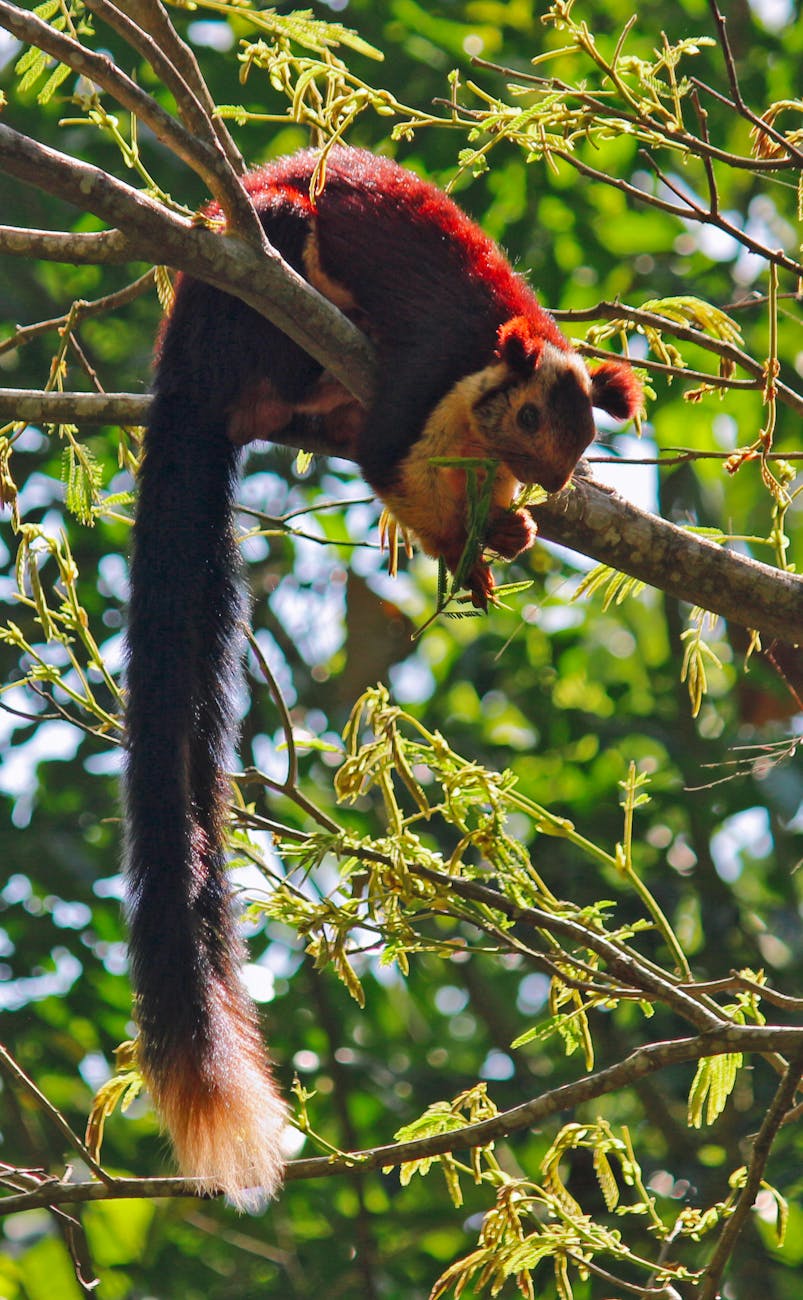
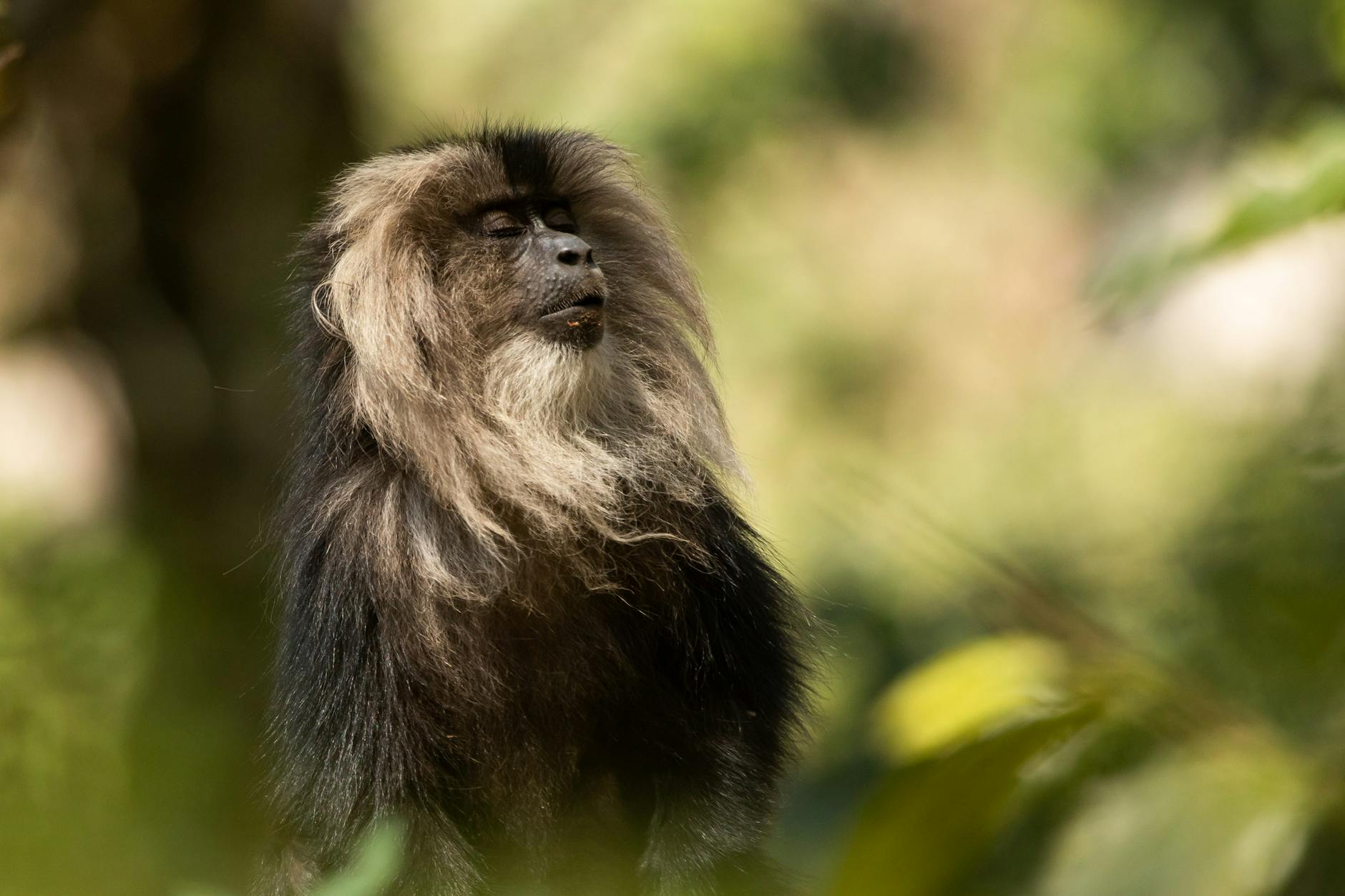
Silent Valley is home to a staggering diversity of flora and fauna. The forest harbors over 1,000 species of plants, 100 species of butterflies, and 200 species of birds. Among its notable residents are endangered species like the Lion-tailed Macaque and the Malabar Giant Squirrel, which are endemic to this region.
But beyond these charismatic species, Silent Valley plays a crucial role in maintaining the health of larger ecosystems. The forest supports a complex web of life, from the microscopic fungi in the soil to the apex predators at the top of the food chain. This biodiversity is critical, as each species plays a part in stabilizing the ecosystem.
Silent Valley serves as an important carbon sink. Like all tropical rainforests, it absorbs large amounts of carbon dioxide from the atmosphere, helping to regulate global climate patterns. In the face of climate change, forests like Silent Valley are invaluable in combating global warming by acting as a natural reservoir for carbon.
Moreover, the forest plays a key role in regulating local climate. It helps in maintaining rainfall patterns in the region and sustains the water cycle, which in turn supports agriculture and human settlements in surrounding areas. The rainforest’s thick canopy also helps in cooling the local climate, mitigating the heat effects that urbanization often exacerbates.

Silent Valley’s dense vegetation prevents soil erosion and protects watersheds. The forest acts as a natural filter, purifying the water that flows through its streams and rivers, supplying clean water to the surrounding communities. The Kunthipuzha River, which originates from the Silent Valley, provides water to thousands of people and supports local agriculture.
Unfortunately, like many ecologically important areas, Silent Valley has faced threats in the past. In the 1970s, there were plans to dam the region for a hydroelectric project, which would have submerged a large part of the forest. However, thanks to public outcry and activism, the area was declared a National Park in 1984, ensuring its protection.
Despite this, challenges remain. Illegal logging, encroachment, and climate change itself continue to threaten the delicate balance of the ecosystem. Protecting Silent Valley, therefore, is not just about saving a forest, but safeguarding the future of global biodiversity and climate resilience.

In conclusion, the Silent Valley is not just a local treasure—it is a critical component of the Earth’s ecological health. As we face the growing threats of climate change, preserving such ecosystems is essential for ensuring the well-being of our planet’s biodiversity and mitigating the impacts of global warming. The Silent Valley stands as a reminder of what we stand to lose, and the urgent need for continued conservation efforts.
Thank you.

 Avatar Dragons
Leave a comment