Hello everyone! Today, I want to talk to you about speakers. We all use them in our daily lives, whether it’s the speakers on our phones, laptops, portable speakers, car speakers, or even karaoke setups. Regardless of the type, our devices utilize speakers that are either built-in or require a connection via wire or Bluetooth.
The first audio speaker was invented by Alexander Graham Bell in 1876 as part of his work on the telephone. Bell’s device converted electrical signals into sound, using a diaphragm that vibrated in response to these signals.
However, the first practical loudspeaker as we know it today was developed by Thomas Edison and later refined by other inventors, such as Elisha Gray and Emil Berliner. Berliner, in particular, created the first commercial dynamic speaker in the late 19th century, which laid the groundwork for modern speaker technology.
The most expensive speakers are often custom-built and can reach astonishing prices. One notable example is the Klein & Hummel O 500 C, which is known for its premium quality and advanced technology, costing around $500,000.
Another contender is the Watt Puppy 8 by Wilson Audio, which can also be extremely pricey, depending on the customization options.
High-end brands like Bowers & Wilkins, Magico, and Rockport Technologies also produce speakers that can easily exceed $100,000.
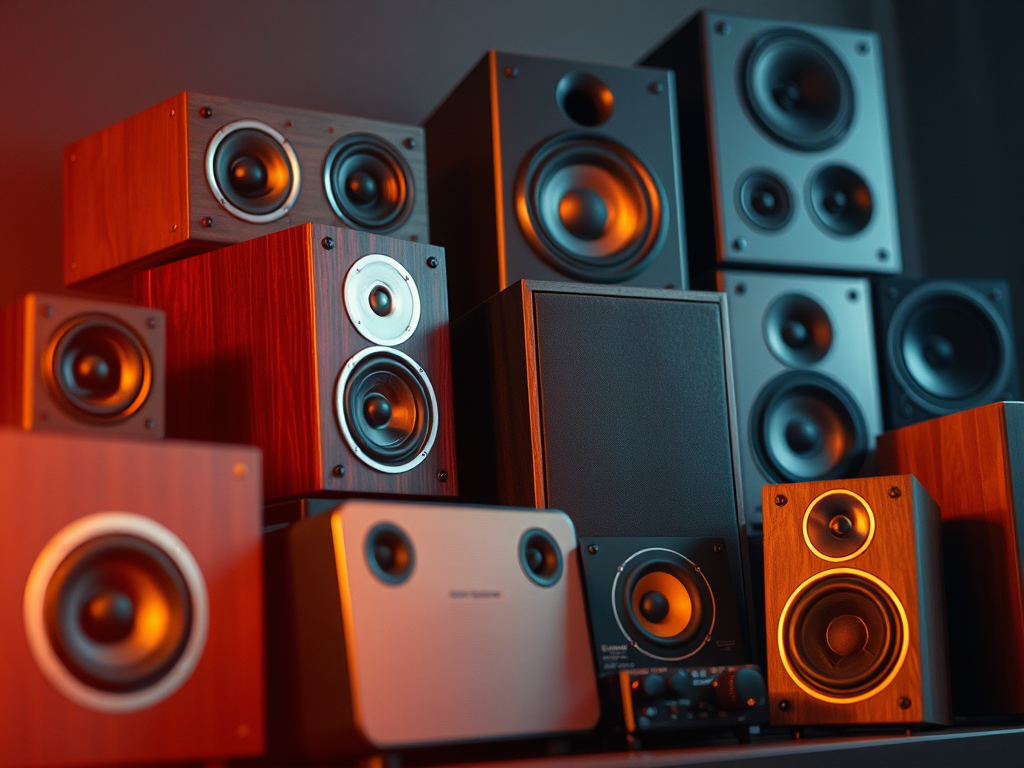
But how do speakers work? At their core, speakers rely on a few key components. When you look at a speaker, you’ll notice a circular part that emits sound waves. Inside, there’s a diaphragm—often made of fiber or resin—that vibrates to produce sound.
At the back of the diaphragm, there’s a small tube connected to a magnet. This magnet works in tandem with an electromagnet, which is essentially a piece of wood wrapped in copper wire. The fascinating thing about the electromagnet is that we can control its magnetic field: we can turn it on, off, or even reverse it.
When we send an electrical signal through the copper wire, it interacts with the magnet, causing the diaphragm to move and create sound waves. This movement produces the sound you hear.

Bluetooth speakers function similarly but are designed for wireless connectivity. Some popular brands include JBL and others. It’s important to note that speakers and headphones serve different purposes. Speakers produce sound waves that fill a room, while headphones deliver sound directly to your ears, so they typically don’t need to be as loud.
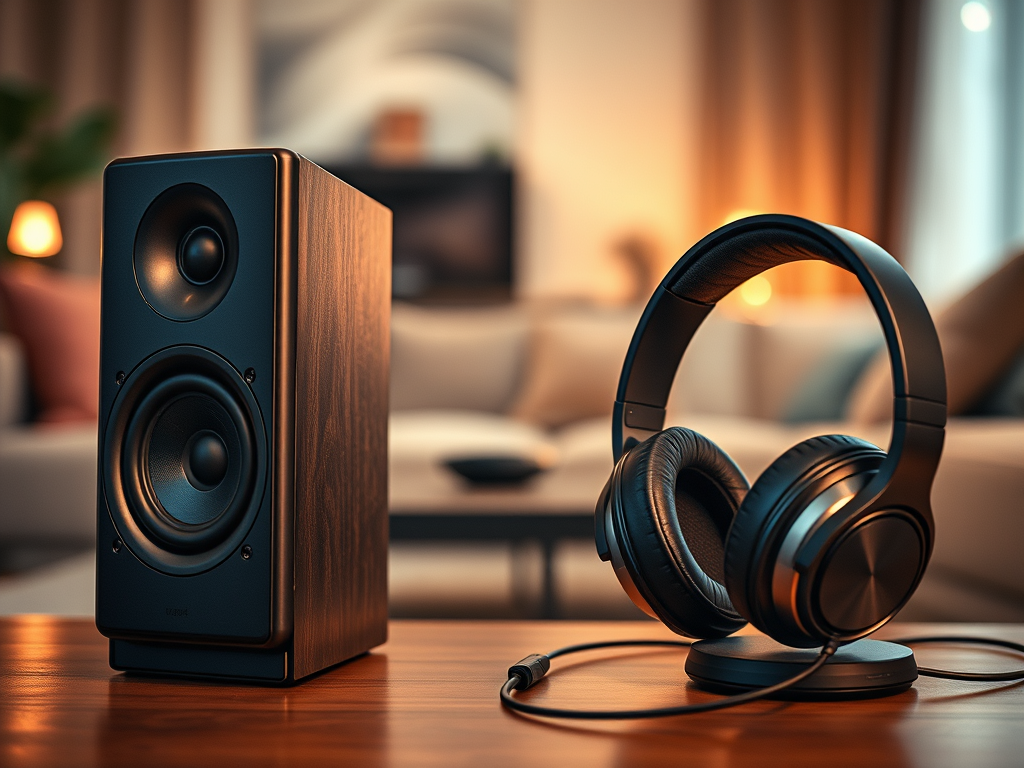
Headphones often have smaller drivers and may include features to minimize sound levels to protect your hearing.

The world of audio can be complex, with different frequencies and decibel levels at play. Understanding how speakers work can help you appreciate the technology behind the sounds we enjoy every day!
 Avatar Dragons
Leave a comment