Hello everyone! Today, I’m going to be talking about Doctor Who, one of my favorite shows.
What is Doctor Who?
“Doctor Who” is a long-running British TV show that first aired in the 1960s. Initially broadcast in black and white, the show captivated viewers with its innovative storytelling and special effects. It has since become a cultural phenomenon, known for its imaginative plots, iconic characters, and ever-evolving narrative.
Who is the Doctor?
The Doctor is a Time Lord, an alien from the planet Gallifrey. As the last of his kind, he travels through time and space to protect the universe from various threats. The Doctor’s primary mode of transportation is the TARDIS, a time machine that looks like a 1950s British police box from the outside but is much larger on the inside.
Regenerations

One of the most unique aspects of the Doctor is the ability to regenerate. When the Doctor is mortally wounded or nearing death, they can undergo a process called regeneration, where their body transforms into a new form. This process allows the Doctor to change appearance, personality, and occasionally even gender, while retaining all memories and knowledge.
Regeneration has been a key plot device that allows the show to continue despite changes in the actor portraying the Doctor. Each incarnation of the Doctor brings a fresh take on the character, contributing to the show’s longevity and dynamic storytelling.
What is the TARDIS?
The TARDIS (Time And Relative Dimension In Space) is a device the Doctor uses to travel across time and space. Though it appears to be a simple police booth from the 1800s, it reveals a vast interior once entered, defying the laws of physics.

The Companions
One of the most significant aspects of “Doctor Who” is the Doctor’s companions. These characters travel with the Doctor, providing assistance, companionship, and a human perspective on their adventures.
Who Are the Companions?
The companions are usually humans, although there have been exceptions. They are often ordinary people who find themselves in extraordinary circumstances, drawn into the Doctor’s world by chance or necessity. Through their journeys, they experience personal growth and help the Doctor face various challenges.
Roles of the Companions
- Support and Friendship: The companions offer emotional support and friendship to the Doctor, helping him navigate the complexities of his long life and often lonely existence.
- Moral Compass: They frequently serve as the Doctor’s moral compass, reminding him of the importance of compassion and humanity.
- Problem Solving: Companions often bring unique skills and perspectives that are crucial in solving the dilemmas they encounter.
Notable Companions
- Sarah Jane Smith: A journalist from the 1970s who became one of the most beloved companions. She later had her own spin-off show, “The Sarah Jane Adventures.”
- Rose Tyler: A shop assistant from modern-day London who played a crucial role in the revival of the series in 2005.
- Donna Noble: A temp worker whose sharp wit and strong will made her a memorable companion.
- Amy Pond and Rory Williams: A married couple who traveled with the Doctor and whose story arc deeply impacted the show’s narrative.
- Clara Oswald: A schoolteacher who became entwined with the Doctor’s timeline in complex ways.
- Bill Potts: A university student who brought a fresh and inquisitive perspective to the Doctor’s adventures.

The Impact of Companions
The companions play a vital role in “Doctor Who,” adding depth and relatability to the series. Their interactions with the Doctor and their personal growth through their travels are central to the show’s appeal. They provide viewers with a relatable entry point into the fantastical world of the Doctor, grounding the series in human emotion and experience.
Adventures and Challenges
The Doctor embarks on adventures through time and space, encountering a wide range of alien species, mysterious devices, and cosmic phenomena. The show’s plot often involves complex storylines about the fabric of space-time, and the Doctor frequently battles various creatures and villains.
Notable Villains
Some of the most iconic villains in the “Doctor Who” franchise include:
- Daleks: A race of ruthless extraterrestrial mutants encased in robotic shells.
- Cybermen: Humans who have been converted into emotionless cyborgs.
- Weeping Angels: Statuesque creatures that can only move when not being observed.
- The Master: A fellow Time Lord and the Doctor’s arch-enemy.
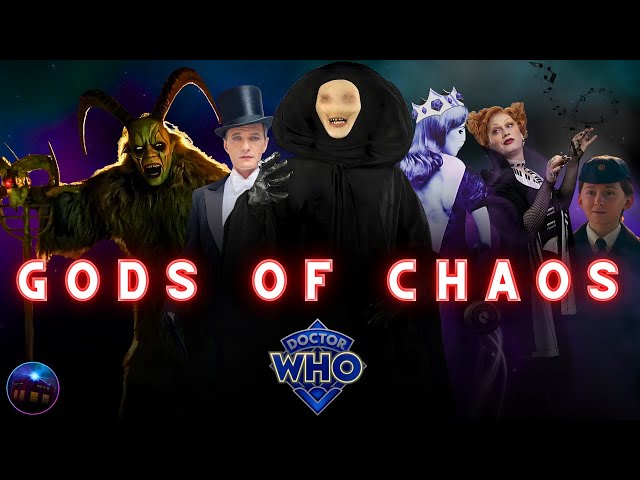
- Pantheon of Discord: A group of god-like entities that thrive on chaos and disorder. They are known for their immense power and manipulative nature, posing a significant threat to the stability of the universe. Each member of the Pantheon has unique abilities that they use to sow discord and challenge the Doctor in various ways.
Conclusion
“Doctor Who” is a captivating series that blends science fiction with adventure, exploring profound themes and presenting unique characters and imaginative worlds. Its enduring popularity is a testament to its ability to adapt and evolve with time, much like the Doctor himself. The companions and villains add depth and complexity to the series, making it a timeless exploration of friendship, bravery, and the human spirit.
 Avatar Dragons
Leave a comment