Hello, everyone! Today, I’m going to be discussing the digestive system. As you know, the digestive system is crucial for supplying the nutrients our bodies need to survive. One of the most important nutrients is glucose, which serves as the fuel for our bodies. In addition to oxygen obtained from the respiratory system, our bodies require glucose and other nutrients, all of which are obtained through the digestive system, starting in the mouth.
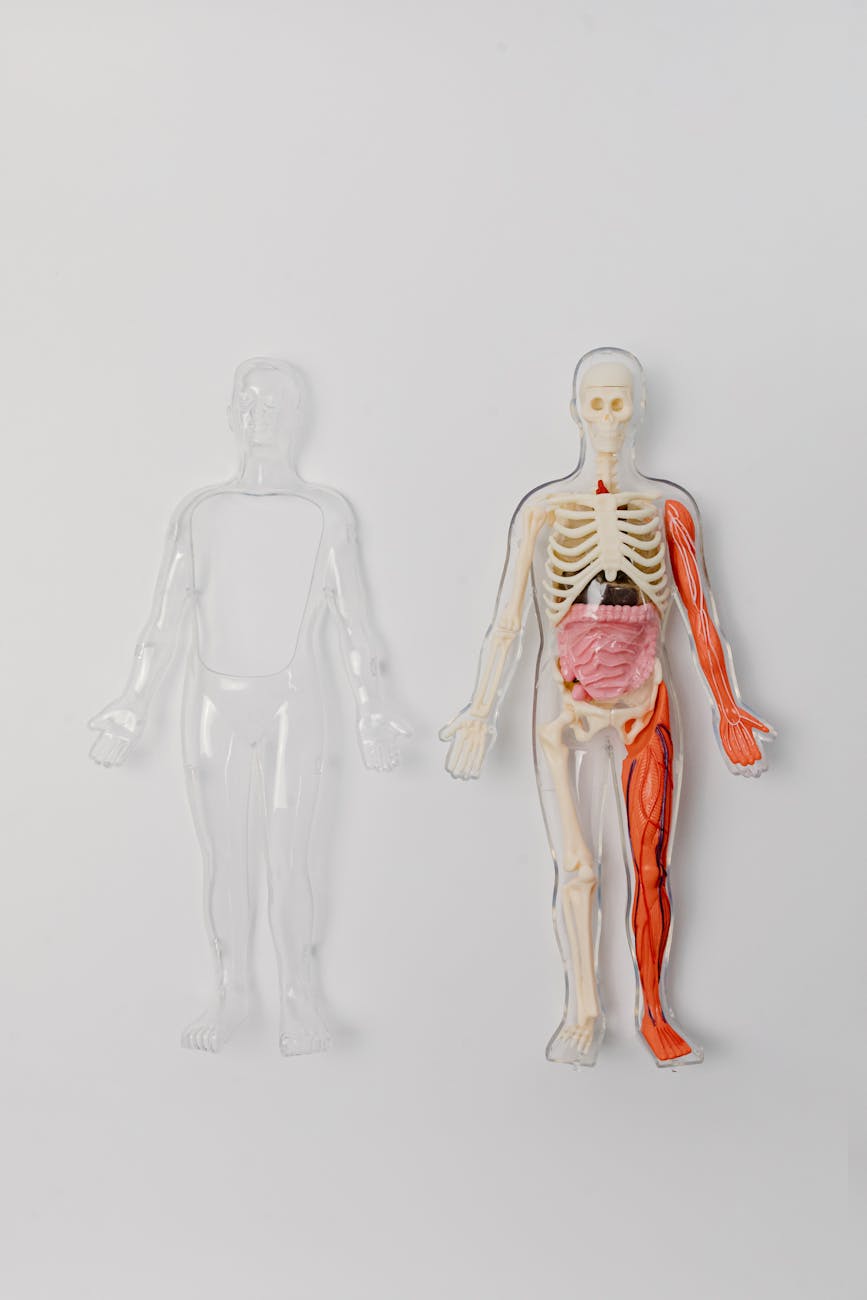
Before delving into the steps of the digestive system, let’s explore its four key phases: ingestion, digestion, absorption, and elimination. Ingestion begins in the mouth as we introduce food. Digestion also initiates in the mouth, where our teeth break down the food into smaller bits through both mechanical and chemical processes. Chemical digestion involves enzymes and saliva produced by the salivary glands.
Once sufficiently chewed, we swallow the food, and it travels down the esophagus, a muscular tube that facilitates the process. The stomach, where gastric acid and enzymes further transform the food into a mushy substance, comes next. While humans have a single stomach, certain animals, like octopuses, have multiple.
Following the stomach, the food, now referred to as chyme, progresses to the intestines, the final stage of digestion. Other organs, such as the liver and pancreas, contribute to this process. In the small intestine, the duodenum and intentional glands break down the chyme into its pure nutrient form with the help of bile from the liver and pancreatic acids.
Moving through the small intestine, the chyme encounters villi, tiny structures lining the intestinal walls, composed of cells, capillaries, and lymphatic vessels. The nutrients are absorbed through this intricate network, with blood running through capillaries and then passing through lymphatic vessels. Meanwhile, bile acids from the liver aid in the digestion process.
The remaining undigested material reaches the large intestine, where elimination begins. The large intestine pushes fiber- and water-rich components into the rectum for proper disposal. The entire digestion process typically takes one to three days, depending on the consumed food, and may be affected by various health issues.
Complications, such as the survival of harmful bacteria in the gastric acid, can lead to severe illnesses. Diseases like type 1 diabetes, affecting insulin production or utilization, can also impact the digestive process. Insulin, crucial for using glucose, originates in the pancreas.
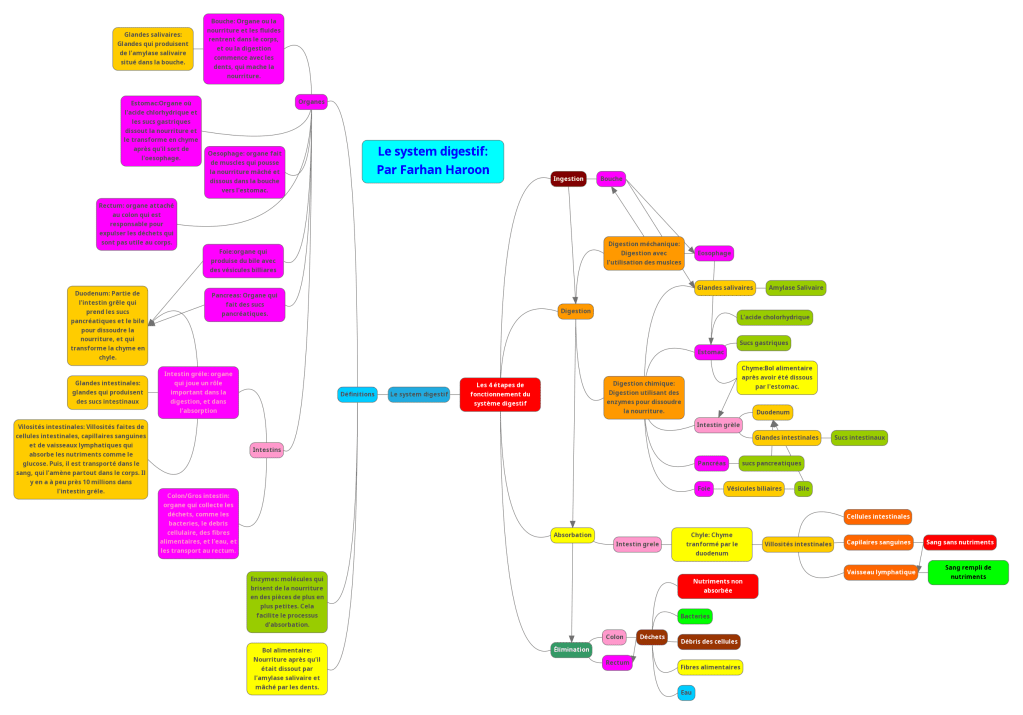
I hope you found this exploration of the digestive process informative. Now, you should have a better understanding of how your body acquires the necessary nutrients for survival. If you would like the information again, I have made a mind map in french about it.
Anyway, goodbye, everyone! See you later!
 Avatar Dragons
Leave a comment