Hello fellow food enthusiasts!
Today, I embarked on a culinary adventure, which was making my first homemade pizza. Even as an Indian food lover the allure of Italian cuisine has always beckoned me, and what better way to explore it than by crafting a classic Margherita pizza?
My journey began with a search through my mom’s cookbook, until I stumbled upon the Margherita recipe. I set out to gather the ingredients, only to realize we were short on supplies. Luckly, we were able to use Instacart, which came to the rescue with a next-day delivery of essentials.
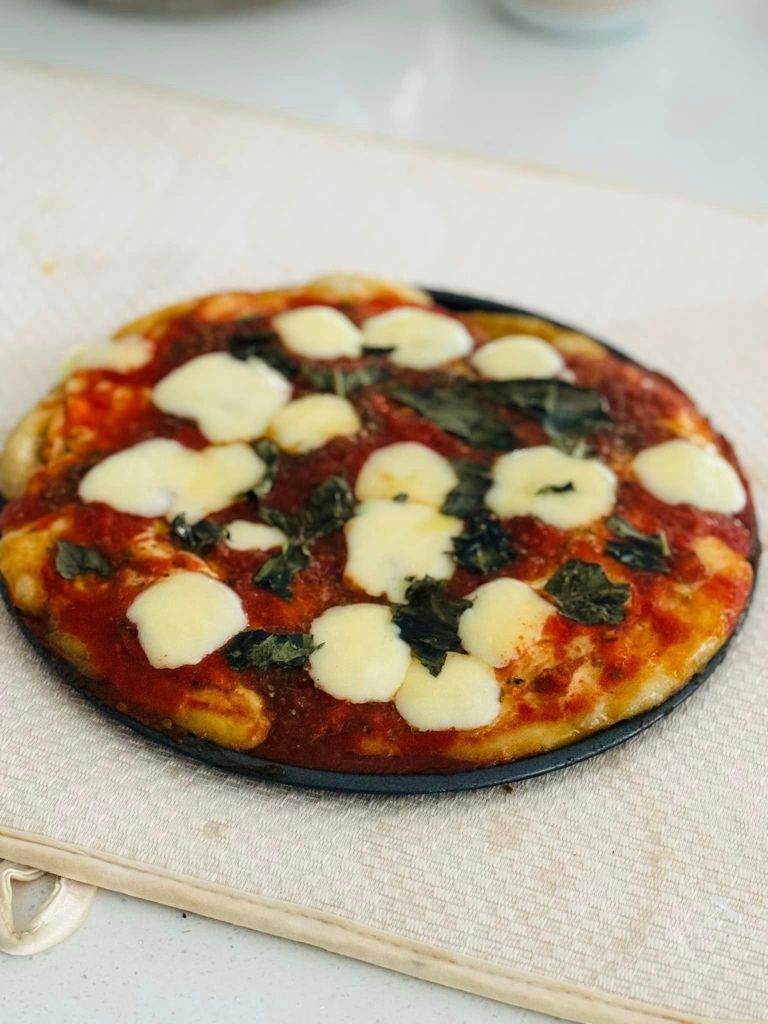
Undeterred, I rolled up my sleeves and prepared the dough from scratch, with a mix of flour, salt, and baking powder (to replace yeast). With the dough resting, I turned my attention to the sauce, opting for San Marzano tomatoes for their rich flavor. After seasoning with oregano, pepper, and a drizzle of olive oil, I assembled my pizzas, and when they were half baked, I did a generously layering with mozzarella cheese, basil, and a final drizzle of olive oil.
As the pizzas baked to golden perfection, the aroma filled the air, tantalizing our taste buds. A splash of olive oil was good to enhance the flavors further. According to my mom, the result was nothing short of spectacular – a savory product that left us craving more.
Now, onto the burning question – was it worth the effort? Absolutely. Homemade pizza isn’t just about the end result; it’s a labor of love, a testament to culinary craftsmanship and health benefits. We better stay clear of ultraprocessed frozen pizzas.
Speaking of variations, I’m intrigued by the idea of experimenting with toppings and crusts. Cherry tomatoes, pineapple or sun-dried tomatoes are common toppings for magherita pizza as well, but I prefer the plain version. But cauliflower crust? That’s a debate for another day. Some things, I believe, are best left untouched.

On the topic of pizza preferences, my mom enjoys the idea of square pizzas, but I beg to differ. In my opinion, square pizzas have uneven edges and disproportionate toppings that ruin the pizza-eating experience, creating a bad taste. Besides, the essence of a true pizza lies in its round form, a symbol of culinary perfection that cannot be replicated by square slices. (aka bad flatbread)
Did you know that the history of Margherita pizza traces back to Queen Margherita herself? During a visit to Naples, she demanded 3 pizzas to be created by the best pizza maker in naples. The first 2 she disliked, but the 3 pizza adorned with the colors of the Italian flag represented by basil, tomato sauce and mozzarella was the one that clicked. Thus, the iconic Margherita pizza was born.
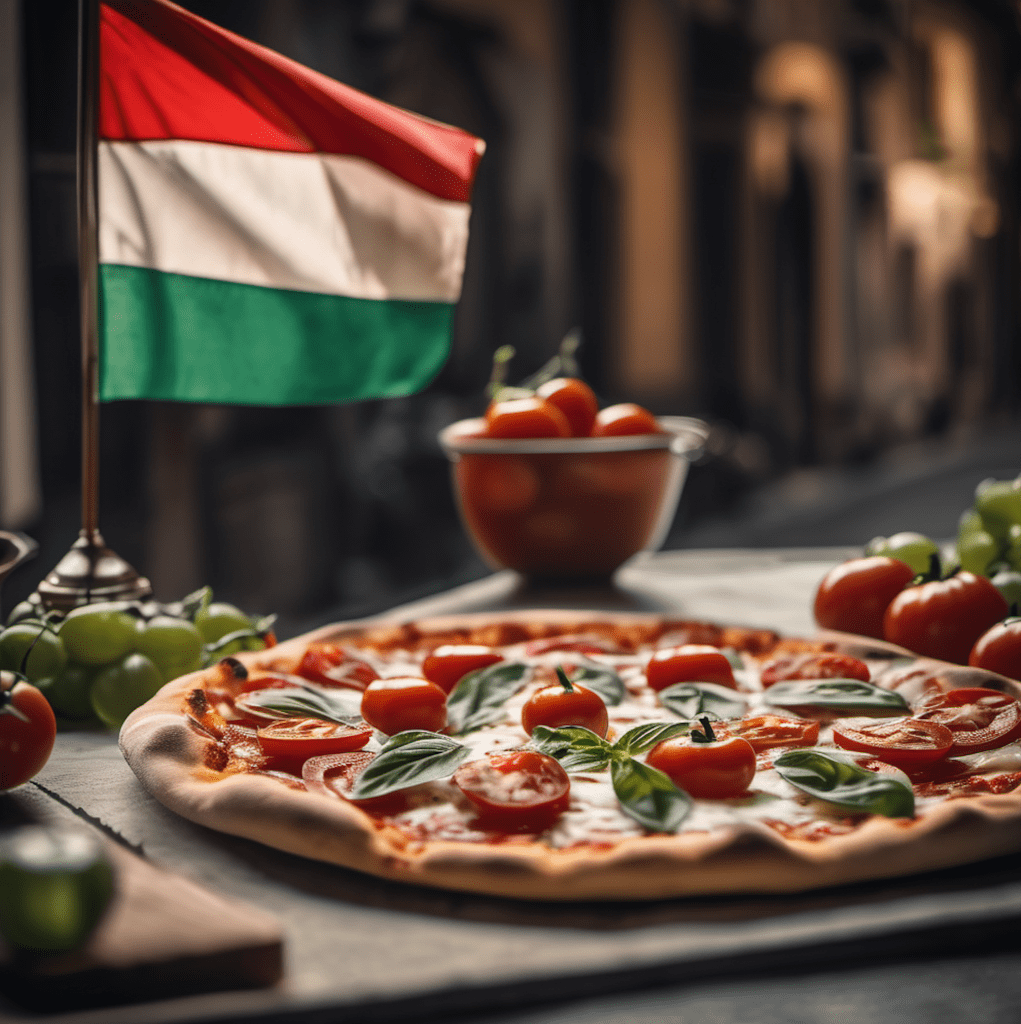
The colors of the pizza mirror those of the Italian flag: white, green, and red. The white represents the creamy mozzarella cheese, while the red symbolizes the special tomato sauce spread atop the pizza crust. Lastly, the green signifies the fragrant basil leaves, adding a fresh burst of flavor to every bite.
Speaking of tomatoes, let’s not forget the significance of San Marzano tomatoes. These tomatoes hail from the southern region of Italy, renowned for their balanced flavor profile. With their few seeds, thin skin, and perfect balance of sweetness and tanginess, San Marzano tomatoes are the preferred choice for authentic Italian cuisine.
In recent news, Margherita pizzas made headlines due to a recall of Farm Boy vegan pizzas, prompted by the presence of undeclared milk. It serves as a reminder of the importance of ingredient transparency and food safety in the culinary industry.
As I savor the last delicious crumbs, I can’t help but feel a sense of accomplishment. After all, there’s nothing quite like the satisfaction of a homemade meal shared with loved ones.
Until next time, happy cooking – and may your pizzas be as colourful and healthy as mine!
In crust we trust.
Bon appétit!
 Avatar Dragons
Leave a comment