Hello everyone! Today, I’m going to discuss some of the lab experiments that we’ve conducted in our Grade 7 class. So far, we’ve completed a total of three experiments in Grade 7, which is quite a contrast to Grade 6 when we only had the opportunity to perform three experiments throughout the entire year. As a curious mind, you can probably guess how excited I was about these experiments, and if you guessed that, you’re absolutely right. Grade 7 has been truly encouraging in terms of scientific exploration.
Let me dive right into the details of these experiments. The second experiment we conducted involved testing the evaporation rates of different liquids: alcohol, water, and vinegar. To carry out this experiment, we gathered three napkins and used a dropper to place drops of each liquid onto separate tissues. I should clarify that we didn’t mix the liquids on a single tissue; instead, we put alcohol on one napkin, water on another, and vinegar on the third.
After the liquids were applied, we observed how quickly they evaporated. Generally, liquids tend to evaporate in the order of alcohol, vinegar, and then water. However, our results were a bit surprising. In our experiment, alcohol evaporated the fastest, followed by water, and then vinegar. This may seem unusual, but it’s worth noting that the alcohol we used was only 60% alcohol, making it less potent compared to pure ethanol. Because it had a lower alcohol concentration, it evaporated quickly. On the other hand, water, with its 40% alcohol content, evaporated slower. Vinegar, with its 95% water content, displayed an evaporation rate similar to that of water.
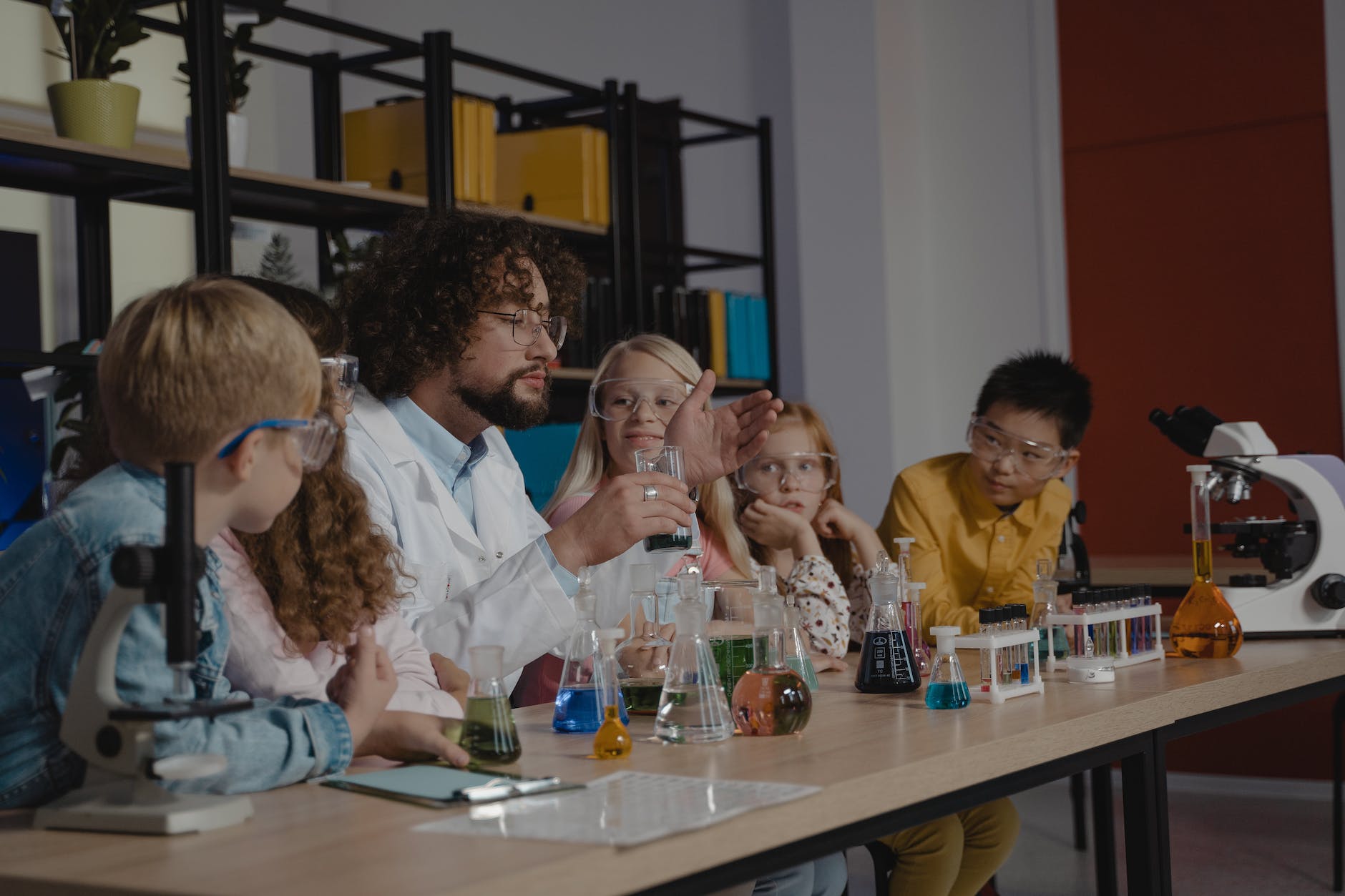
Now, why did water take longer to evaporate than alcohol? Well, it’s all about the alcohol concentration. Alcohol evaporates faster due to its lower water content, while water, with its higher water concentration, takes more time. Vinegar, although similar to water, still contains a small amount of impurities that slightly hinder its evaporation rate.
The interesting part is that we had to write a lab report about this experiment. Our report consisted of two parts: one completed before starting the experiment and the other after we had conducted it. The pre-experiment part outlined our hypothesis, methodology, and materials required for the experiment. The post-experiment part documented our results, comparisons, and reflections on what we could have done differently.
In addition to that, we also speculated on why certain outcomes occurred and what could have influenced our results. Overall, it was an insightful learning experience that allowed us to understand the principles of evaporation and how different factors can affect the process.
That’s a wrap on our fascinating experiment with liquids! How is everyone else doing with their experiments and lab reports? Let’s keep the scientific curiosity alive!
 Avatar Dragons
Leave a comment