Hello everyone! Today, I’m going to talk about my grandpa’s knee replacement surgery. He had to undergo this procedure due to Osteoarthritis, a common condition associated with aging that weakens the flexible cartilage, leading to joint-related issues. A knee replacement surgery involves the insertion of a metal implant to address problems caused by osteoarthritis. These problems include swelling, pain, joint weakness, and reduced mobility. Therefore, getting a knee replacement surgery is crucial to alleviate these issues, as it can be very challenging to cope with constant pain and limited movement in old age. That’s why my grandpa had to undergo this procedure.
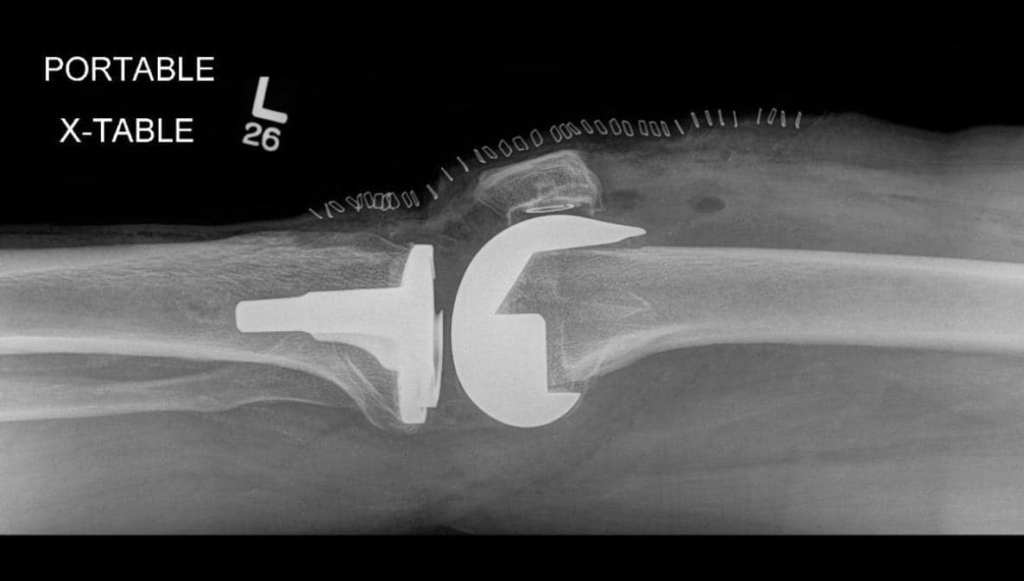
The surgery itself is relatively short and is usually performed under spinal anesthesia, which helps manage pain. However, my grandpa experienced some nausea and vomiting after the surgery, which is quite normal, especially for someone who has specific dietary preferences like him. He is a very picky eater and typically prefers only Indian food. Consequently, the hospital food didn’t sit well with him, leading to the discomfort.
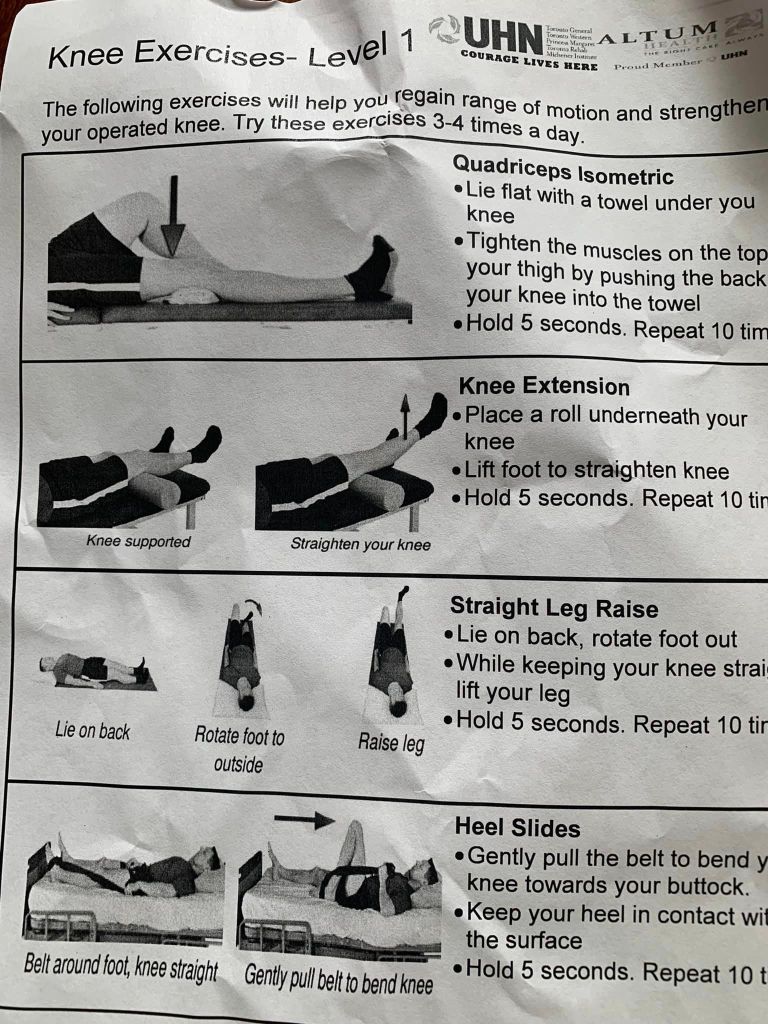
Before the surgery, we had to do daily exercises with him multiple times a day, some requiring holding positions for a few seconds, while others involved longer holds. These exercises were essential for his recovery and prepared his knee for the surgery.
After the surgery, he needed a walker to assist him in moving around, as bending his knee caused considerable pain. For going up the stairs, a cane is helpful. Additionally, a raised toilet seat was installed in his bathroom to minimize the strain on his knee while using the toilet. These items were relatively affordable on Amazon compared to other stores.

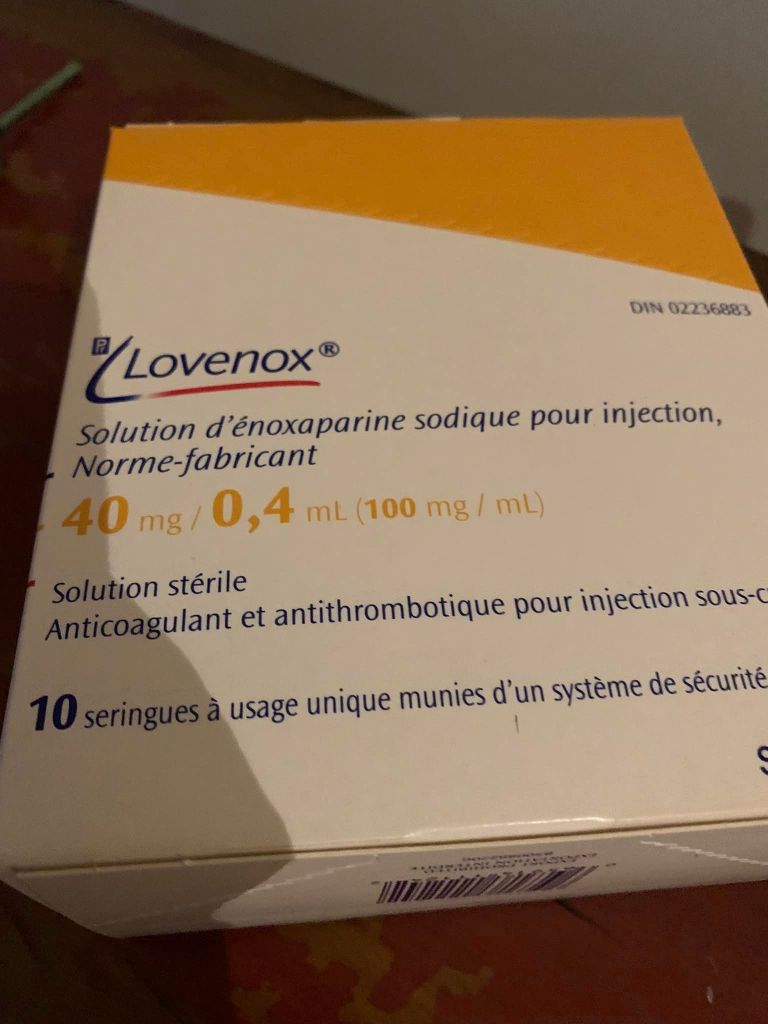
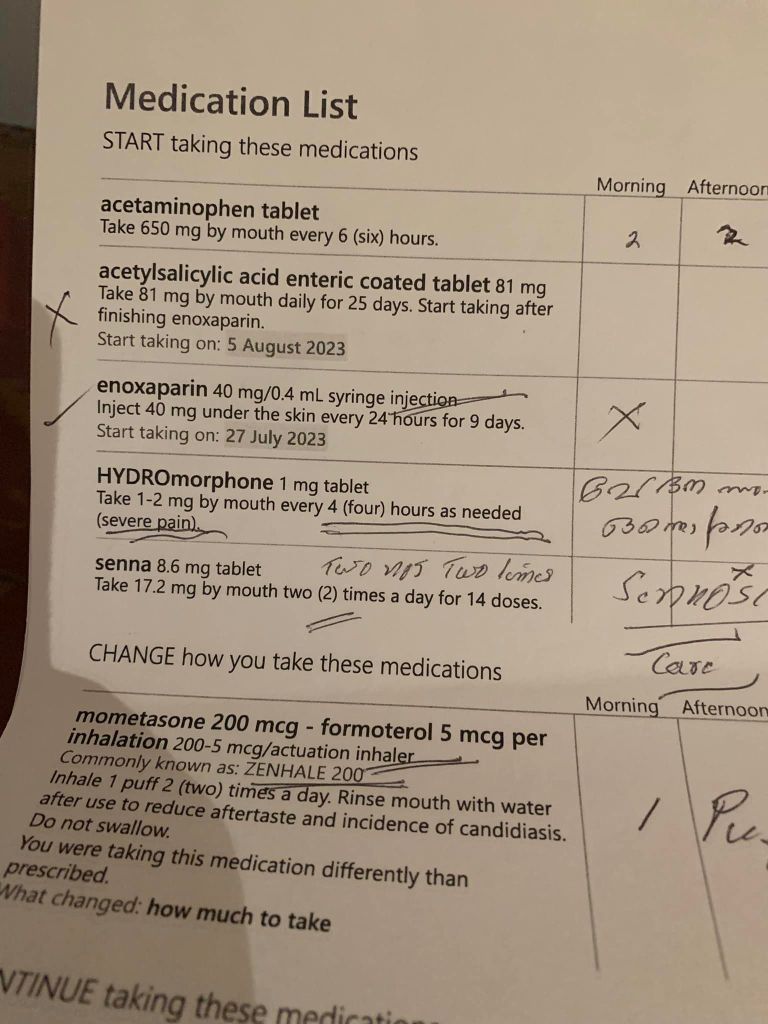
In terms of medications, he had to take HydroMorphone for pain relief at four-hour intervals. Additionally, he required daily blood thinner injections to prevent blood clots, which can be a risk after surgery.
Furthermore, he had to take his regular inhaler, vitamin D3, and medication for gas and constipation. Another mild painkiller was prescribed to him as well.
Next week, he will start outpatient physiotherapy at an OHIP funded clinic to aid in his recovery.
Overall, the surgery itself is not as scary as it may seem, but the preparation and post-operative care require attention and effort. Each person’s needs may differ, so it’s essential to adapt the approach accordingly.
That’s all for now! Take care, everyone, and talk to you later!


 Avatar Dragons
Leave a comment